Featured Gynecomastia Resources


Ultimate GyneMAX- The #1 Leading Gynecomastia Pill

Tomitheos posted a photo:

Sex Gender: ☑ Male

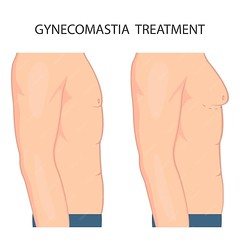
Gynecomastia occurs in about 40 to 60% of men, it manifests as tenderness in the breast area and can become painful.

It can be a normal effect from hormones, a side effect from some male therapies or from steroid use.

The condition can lead to abundant growth in glandular and fatty tissue in the male breasts; as a result some men become embarrassed and don't tell their doctor or seek medical treatment which can later manifest as an illness with serious side effects.

A weekly body check for abnormalities should minimize serious health risks considerably.


Sex Gender: ☑ Male


flickr t♂day


VishalKapoorMD posted a photo:

Vishal Kapoor MD in the Operating Room Performing Male Breast Reduction

The incisions for male breast reduction are typically located in the armpit area or on the edge of the areola. If the gynecomastia is caused by excess glandular tissue, Dr. Kapoor will remove this surgically. Excess skin will also be trimmed and excess fat will be removed with liposuction. If the gynecomastia is caused primarily by excess fatty tissue, smaller incisions are made and ultrasound or power-assisted liposuction is used to remove the excess fat. The incisions are then closed and a surgical dressing is applied to the chest. A small drain may be inserted at the incision sites and these will remain in place for a day or two.


VishalKapoorMD posted a photo:

Vishal Kapoor MD in the Operating Room Performing Male Breast Reduction

The incisions for male breast reduction are typically located in the armpit area or on the edge of the areola. If the gynecomastia is caused by excess glandular tissue, Dr. Kapoor will remove this surgically. Excess skin will also be trimmed and excess fat will be removed with liposuction. If the gynecomastia is caused primarily by excess fatty tissue, smaller incisions are made and ultrasound or power-assisted liposuction is used to remove the excess fat. The incisions are then closed and a surgical dressing is applied to the chest. A small drain may be inserted at the incision sites and these will remain in place for a day or two.


VishalKapoorMD posted a photo:

Vishal Kapoor MD in the Operating Room Performing Male Breast Reduction

The incisions for male breast reduction are typically located in the armpit area or on the edge of the areola. If the gynecomastia is caused by excess glandular tissue, Dr. Kapoor will remove this surgically. Excess skin will also be trimmed and excess fat will be removed with liposuction. If the gynecomastia is caused primarily by excess fatty tissue, smaller incisions are made and ultrasound or power-assisted liposuction is used to remove the excess fat. The incisions are then closed and a surgical dressing is applied to the chest. A small drain may be inserted at the incision sites and these will remain in place for a day or two.


VishalKapoorMD posted a photo:

Vishal Kapoor MD in the Operating Room Performing Male Breast Reduction

The incisions for male breast reduction are typically located in the armpit area or on the edge of the areola. If the gynecomastia is caused by excess glandular tissue, Dr. Kapoor will remove this surgically. Excess skin will also be trimmed and excess fat will be removed with liposuction. If the gynecomastia is caused primarily by excess fatty tissue, smaller incisions are made and ultrasound or power-assisted liposuction is used to remove the excess fat. The incisions are then closed and a surgical dressing is applied to the chest. A small drain may be inserted at the incision sites and these will remain in place for a day or two.


VishalKapoorMD posted a photo:

Vishal Kapoor MD in the Operating Room Performing Male Breast Reduction

The incisions for male breast reduction are typically located in the armpit area or on the edge of the areola. If the gynecomastia is caused by excess glandular tissue, Dr. Kapoor will remove this surgically. Excess skin will also be trimmed and excess fat will be removed with liposuction. If the gynecomastia is caused primarily by excess fatty tissue, smaller incisions are made and ultrasound or power-assisted liposuction is used to remove the excess fat. The incisions are then closed and a surgical dressing is applied to the chest. A small drain may be inserted at the incision sites and these will remain in place for a day or two.


VishalKapoorMD posted a photo:

Vishal Kapoor MD in the Operating Room Performing Male Breast Reduction

The incisions for male breast reduction are typically located in the armpit area or on the edge of the areola. If the gynecomastia is caused by excess glandular tissue, Dr. Kapoor will remove this surgically. Excess skin will also be trimmed and excess fat will be removed with liposuction. If the gynecomastia is caused primarily by excess fatty tissue, smaller incisions are made and ultrasound or power-assisted liposuction is used to remove the excess fat. The incisions are then closed and a surgical dressing is applied to the chest. A small drain may be inserted at the incision sites and these will remain in place for a day or two.


VishalKapoorMD posted a photo:

Vishal Kapoor MD in the Operating Room Performing Male Breast Reduction

The incisions for male breast reduction are typically located in the armpit area or on the edge of the areola. If the gynecomastia is caused by excess glandular tissue, Dr. Kapoor will remove this surgically. Excess skin will also be trimmed and excess fat will be removed with liposuction. If the gynecomastia is caused primarily by excess fatty tissue, smaller incisions are made and ultrasound or power-assisted liposuction is used to remove the excess fat. The incisions are then closed and a surgical dressing is applied to the chest. A small drain may be inserted at the incision sites and these will remain in place for a day or two.


VishalKapoorMD posted a photo:

Vishal Kapoor MD in the Operating Room Performing Male Breast Reduction

The incisions for male breast reduction are typically located in the armpit area or on the edge of the areola. If the gynecomastia is caused by excess glandular tissue, Dr. Kapoor will remove this surgically. Excess skin will also be trimmed and excess fat will be removed with liposuction. If the gynecomastia is caused primarily by excess fatty tissue, smaller incisions are made and ultrasound or power-assisted liposuction is used to remove the excess fat. The incisions are then closed and a surgical dressing is applied to the chest. A small drain may be inserted at the incision sites and these will remain in place for a day or two.


VishalKapoorMD posted a photo:

Vishal Kapoor MD in the Operating Room Performing Male Breast Reduction

The incisions for male breast reduction are typically located in the armpit area or on the edge of the areola. If the gynecomastia is caused by excess glandular tissue, Dr. Kapoor will remove this surgically. Excess skin will also be trimmed and excess fat will be removed with liposuction. If the gynecomastia is caused primarily by excess fatty tissue, smaller incisions are made and ultrasound or power-assisted liposuction is used to remove the excess fat. The incisions are then closed and a surgical dressing is applied to the chest. A small drain may be inserted at the incision sites and these will remain in place for a day or two.


VishalKapoorMD posted a photo:

Vishal Kapoor MD in the Operating Room Performing Male Breast Reduction

The incisions for male breast reduction are typically located in the armpit area or on the edge of the areola. If the gynecomastia is caused by excess glandular tissue, Dr. Kapoor will remove this surgically. Excess skin will also be trimmed and excess fat will be removed with liposuction. If the gynecomastia is caused primarily by excess fatty tissue, smaller incisions are made and ultrasound or power-assisted liposuction is used to remove the excess fat. The incisions are then closed and a surgical dressing is applied to the chest. A small drain may be inserted at the incision sites and these will remain in place for a day or two.


VishalKapoorMD posted a photo:

Vishal Kapoor MD in the Operating Room Performing Male Breast Reduction

Q. What are the risks of Male Breast Reduction?
When the procedure is performed by a highly qualified cosmetic surgeon such as Dr. Kapoor, complications are rare and usually minor. However, as with any surgery, potential risks include infection, excessive bleeding, injury to the skin, adverse reaction to the anesthesia, excessive fluid loss, or fluid accumulation. In addition, Male Brest Reduction may cause noticeable scars, permanent pigment change in the breast area, or slightly mismatched breasts or nipples (though the latter problem may be corrected by having a second operation to remove more tissue). Temporarily-up to a year or so-there may be a loss of sensation or numbness in the breast.


VishalKapoorMD posted a photo:

Vishal Kapoor MD in the Operating Room Performing Male Breast Reduction

The incisions for male breast reduction are typically located in the armpit area or on the edge of the areola. If the gynecomastia is caused by excess glandular tissue, Dr. Kapoor will remove this surgically. Excess skin will also be trimmed and excess fat will be removed with liposuction. If the gynecomastia is caused primarily by excess fatty tissue, smaller incisions are made and ultrasound or power-assisted liposuction is used to remove the excess fat. The incisions are then closed and a surgical dressing is applied to the chest. A small drain may be inserted at the incision sites and these will remain in place for a day or two.


VishalKapoorMD posted a photo:

Vishal Kapoor MD in the Operating Room Performing Male Breast Reduction

The incisions for male breast reduction are typically located in the armpit area or on the edge of the areola. If the gynecomastia is caused by excess glandular tissue, Dr. Kapoor will remove this surgically. Excess skin will also be trimmed and excess fat will be removed with liposuction. If the gynecomastia is caused primarily by excess fatty tissue, smaller incisions are made and ultrasound or power-assisted liposuction is used to remove the excess fat. The incisions are then closed and a surgical dressing is applied to the chest. A small drain may be inserted at the incision sites and these will remain in place for a day or two.


VishalKapoorMD posted a photo:

Vishal Kapoor MD in the Operating Room Performing Male Breast Reduction

The incisions for male breast reduction are typically located in the armpit area or on the edge of the areola. If the gynecomastia is caused by excess glandular tissue, Dr. Kapoor will remove this surgically. Excess skin will also be trimmed and excess fat will be removed with liposuction. If the gynecomastia is caused primarily by excess fatty tissue, smaller incisions are made and ultrasound or power-assisted liposuction is used to remove the excess fat. The incisions are then closed and a surgical dressing is applied to the chest. A small drain may be inserted at the incision sites and these will remain in place for a day or two.


VishalKapoorMD posted a photo:

Vishal Kapoor MD in the Operating Room Performing Male Breast Reduction

The incisions for male breast reduction are typically located in the armpit area or on the edge of the areola. If the gynecomastia is caused by excess glandular tissue, Dr. Kapoor will remove this surgically. Excess skin will also be trimmed and excess fat will be removed with liposuction. If the gynecomastia is caused primarily by excess fatty tissue, smaller incisions are made and ultrasound or power-assisted liposuction is used to remove the excess fat. The incisions are then closed and a surgical dressing is applied to the chest. A small drain may be inserted at the incision sites and these will remain in place for a day or two.


VishalKapoorMD posted a photo:

Vishal Kapoor MD in the Operating Room Performing Male Breast Reduction

The incisions for The incisions for male breast reduction are typically located in the armpit area or on the edge of the areola. If the gynecomastia is caused by excess glandular tissue, Dr. Kapoor will remove this surgically. Excess skin will also be trimmed and excess fat will be removed with liposuction. If the gynecomastia is caused primarily by excess fatty tissue, smaller incisions are made and ultrasound or power-assisted liposuction is used to remove the excess fat. The incisions are then closed and a surgical dressing is applied to the chest. A small drain may be inserted at the incision sites and these will remain in place for a day or two.male breast reduction are typically located in the armpit area or on the edge of the areola. If the gynecomastia is caused by excess glandular tissue, Dr. Kapoor will remove this surgically. Excess skin will also be trimmed and excess fat will be removed with liposuction. If the gynecomastia is caused primarily by excess fatty tissue, smaller incisions are made and ultrasound or power-assisted liposuction is used to remove the excess fat. The incisions are then closed and a surgical dressing is applied to the chest. A small drain may be inserted at the incision sites and these will remain in place for a day or two.


VishalKapoorMD posted a photo:

Vishal Kapoor MD in the Operating Room Performing Male Breast Reduction

Breast Reduction for Men

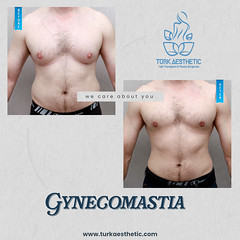
Also known as gynecomastia, breast reduction for men is the surgical correction of over-developed or enlarged breasts in men .


VishalKapoorMD posted a photo:

Vishal Kapoor MD in the Operating Room Performing Male Breast Reduction

Gynecomastia can cause emotional discomfort and impair your self confidence. Some men may even avoid certain physical activities and intimacy simply to hide their condition.

Gynecomastia is characterized by:

* Excess localized fat
* Excess glandular tissue development
* A combination of both excess fat and glandular tissue
* Gynecomastia may be present unilaterally (one breast) or bilaterally (both breasts)


VishalKapoorMD posted a photo:

Vishal Kapoor MD in the Operating Room Performing Male Breast Reduction

Enhancing your appearance with gynecomastia surgery

Gynecomastia , a condition of over-developed or enlarged breasts in men, is common in men of any age. It can be the result of hormonal changes, heredity conditions, disease or the use of certain drugs.